
Tuition Advice
Beyond Academics: How to Choose the Right Skill Class for Your Child
September 2026 · 5 min read
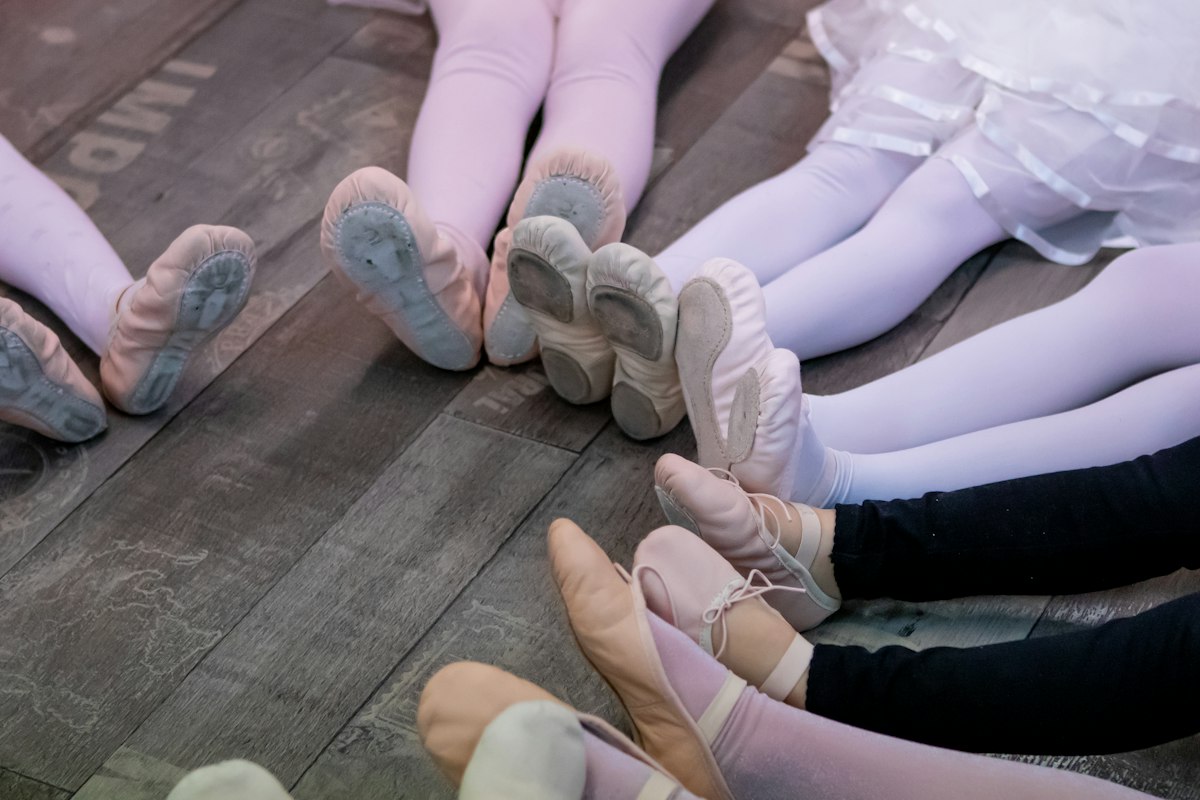
Beyond Academics: How to Choose the Right Skill Class for Your Child
Dance, music, art, chess, abacus — skill classes aren't just an extracurricular box to tick. Done well, they build focus, confidence, and coordination in ways that transfer directly into academic performance. Done as an afterthought, they become one more thing your child resents attending. Here's how to actually pick well.
Start With Genuine Interest, Not What Looks Good
It's tempting to enrol a child in whatever seems most impressive — a musical instrument, a competitive sport. But a skill class only builds the confidence and discipline it's meant to when the child actually wants to be there. Watch what genuinely holds their attention at home: humming and making up songs points toward music; constant doodling and colour experiments point toward art; restless energy and need to move points toward dance or a physical activity.
Matching the Activity to What It Actually Builds
| Activity | Builds primarily |
|---|---|
| Dance | Physical coordination, rhythm, confidence performing in front of others. |
| Music (vocal/instrumental) | Discipline of regular practice, listening skills, pattern recognition — often linked to stronger maths ability. |
| Art & Painting | Fine motor control, self-expression, patience with a slow, non-competitive process. |
| Chess | Planning ahead, weighing consequences, sitting with a problem instead of giving up. |
| Abacus / Vedic Maths | Mental calculation speed and number sense — a genuine academic-adjacent skill, not just a hobby. |
| Spoken English / Storytelling | Vocabulary, comfort speaking in front of others, structured thinking on the spot. |
| Yoga | Body awareness, calm, a genuine tool for managing exam-season stress. |
Questions to Ask an Instructor Before Committing
- What does a typical first month look like — is there a structured progression, or is it unstructured "practice time"?
- How do they handle a child who's initially shy or resistant — pushed to participate, or given time to warm up?
- Is there any kind of showcase, recital, or milestone to work toward? A concrete goal, even a small one, sustains motivation far better than open-ended practice.
- What's the actual class size, for group formats — a "small group" of 15 isn't the same experience as one of 5.
A practical tip: Sit in on (or ask to observe) one full session before committing to a term. How an instructor handles a distracted or frustrated child in real time tells you more than any credential.
One-on-One at Home vs. Group Classes
Group settings build social confidence and a bit of healthy peer motivation, but a shy child can get lost in the back row. One-on-one home instruction moves at exactly the child's pace and builds confidence privately, but misses the social/performance element entirely. Neither is wrong — it depends on whether the goal is skill-building, confidence-building, or both.
When to Reconsider
Give any new activity a fair trial — most children resist something new for the first two or three sessions simply because it's unfamiliar. But if resistance is still strong after a month, with no small wins or moments of enjoyment, it's reasonable to try a different activity rather than force it. The goal is a skill your child genuinely enjoys building, not one more obligation.
Ready to find a verified instructor? See our full range of Skill & Hobby Classes — dance, music, art, yoga, chess, abacus, spoken English, and more, with a free demo class before you commit.
Find the Right Instructor for Your Child
Param Tuition Bureau matches verified instructors for dance, music, art, yoga, chess, abacus, and more — with a free demo class before any commitment.
Call or WhatsApp: +91 87565 25373